Writing a Letter to Your Children to Open Later in Life
A guide to writing letters your children will open years from now—why the practice matters, when to time it, and how to keep it safe until the day arrives.
The Words That Wait for the Right Moment
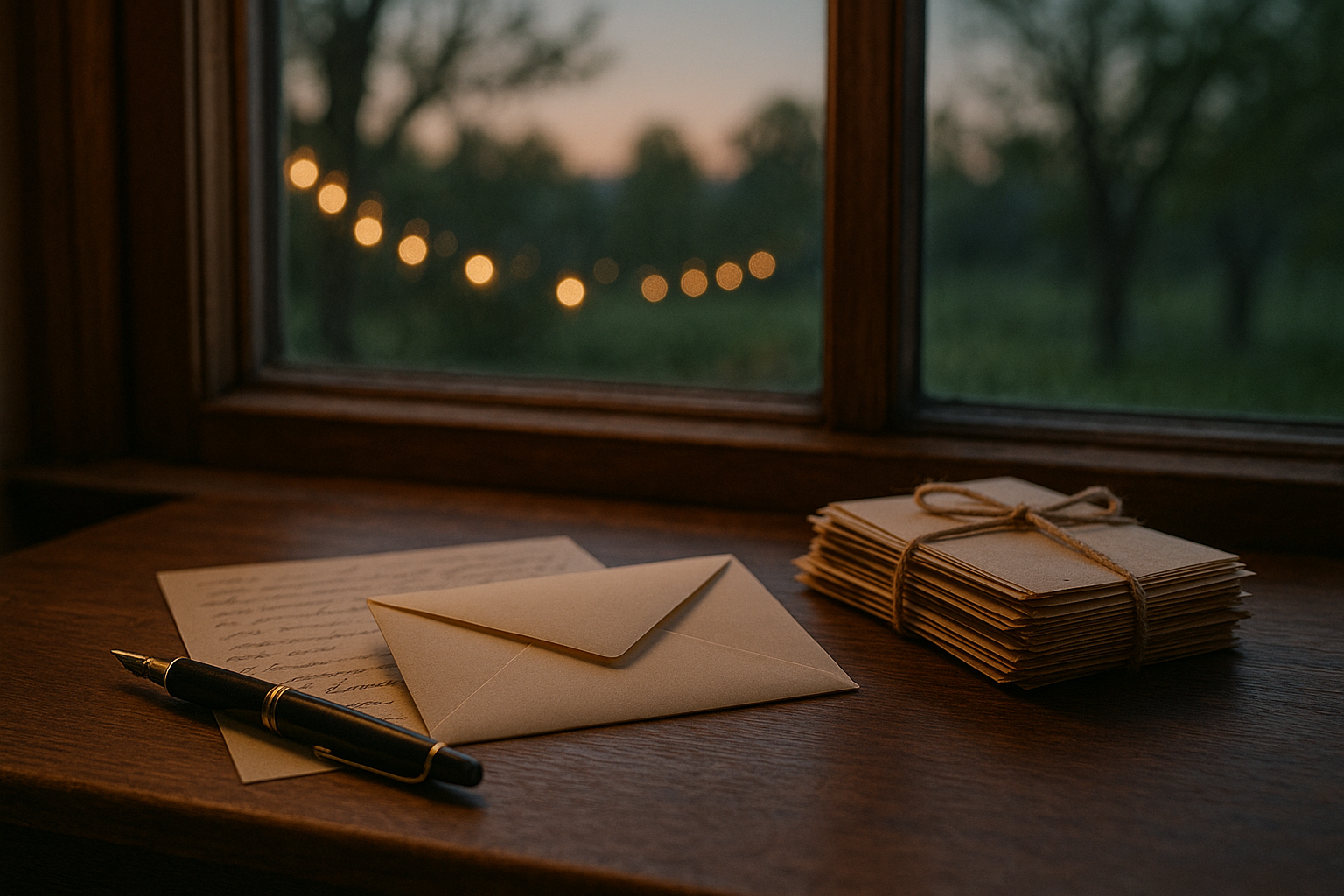
Somewhere between a wedding toast and a quiet Tuesday evening, there's a particular kind of gift that only works if you're willing to be patient: a letter written today, meant to be opened years from now. Maybe it's for a child's eighteenth birthday, their wedding day, the moment they become a parent themselves, or simply "the day you need to hear from me most." The letter sits in a drawer or a safe, waiting, while life carries on around it.
This kind of writing has quietly become part of how many families think about legacy and connection. Some parents write a single letter at a milestone; others build a small collection over the years, each one dated and set aside for later. Many now choose to preserve these letters alongside recorded voice messages and family memories at Voice After Life.com, so that the words a child eventually opens can be read in their parent's own handwriting or heard in their own voice, exactly as they were meant to be experienced.
Why Parents Write Letters Meant for Someday
The practice of writing meaningful, non-legal letters to loved ones has deep roots. This concept has its roots in ancient Jewish culture, evolving from oral traditions into written forms over centuries, and has since been embraced by various cultures, including Christian and Muslim communities. Often called ethical wills or legacy letters, these are personal documents through which individuals convey their ethical values, wisdom, and heartfelt messages to their heirs, and unlike traditional legal wills, they are not enforceable and focus more on imparting life lessons, memories, and personal philosophies rather than distributing assets.
There's also a well-documented personal benefit to the writer. Dr. James Pennebaker, a professor at the University of Texas at Austin, pioneered research demonstrating that writing about emotional experiences can lead to significant improvements in both mental and physical health, and people who wrote about deeply emotional events for just 15 minutes a day over several days reported fewer stress-related doctor visits, improved immune function, and better emotional well-being. Putting difficult or tender feelings into words for your child isn't only a gift to them—it can be a small act of care for yourself, too.
Choosing the Right Moment to Give It
One of the first questions parents wrestle with is timing: when should this letter actually be opened? Parents most often write legacy letters at natural turning points—the birth of a grandchild, a serious illness, a child's wedding, retirement, or a milestone birthday all tend to prompt reflection. Some choose an occasion that mirrors the moment they wrote it, like a parent writing during a child's early years to be opened when that child becomes a parent.
It's also worth thinking about how the letter will be delivered. Handing over a letter unexpectedly can send an unintended message. One legacy-letter workshop leader advises preparing children before the first letter arrives, noting that one woman who mailed letters to her kids out of the blue found they called in a panic, certain she was dying. A short conversation—"I've written you something for later, and I'll let you know when it's time"—can spare a loved one that scare while still preserving the surprise of the letter's contents.
What Belongs in a Letter Meant for Later
A letter to open later in life serves a different purpose than a legal document, and it helps to keep that distinction clear. A legal will tells your children what you owned; a legacy letter tells them who you were. That means there's room for things a will could never hold: the story behind a family recipe, what you were thinking the day they were born, an apology you never quite found the words for in person, or simply the hope you carry for who they'll become.
Because these letters carry no legal weight, there's freedom in how they're written—there's no required format, no attorney to consult, no boilerplate language. The only real guidance is to write honestly, in your own voice, about the things you'd want your child to carry with them long after the moment has passed.
Why These Letters Matter to the Children Who Receive Them
The benefit isn't only felt by the person writing. Research on family storytelling suggests that children who grow up with a strong sense of their family's history tend to fare better emotionally. Research has shown that children who know more about their families and family history are more resilient and tend to do better when facing challenges in life; results showed that the more children knew about their families, the higher their self-esteem was as well as their sense of control over their lives, and children informed of their family history were more resilient and handled stress better than those who were not. A letter written years earlier and opened at just the right moment becomes one more thread in that larger story—proof, in your own handwriting, that they were thought of and loved long before the day they finally read it.
There's also something about the physical letter itself that digital messages rarely replicate. Written communication offers a way to express love that's tangible, permanent, and revisitable—qualities that matter enormously when a child returns to the same page again and again over the years, at different ages, understanding it a little differently each time.
Keeping the Letter Safe Until Its Day Arrives
A letter meant to be opened "someday" only works if it survives long enough to reach that day. Store it somewhere secure and dry, separate from everyday paperwork, and let a spouse, adult child, or executor know where it lives and when it's meant to be shared. If you write more than one letter over the years, keep a simple list of which envelope belongs to which milestone.
Many families now choose to keep these letters, along with voice recordings and other keepsakes meant for future milestones, in one lasting place—for many, that place is organizing and preserving these messages through Voice After Life, where a letter's words and a parent's voice can be kept together and delivered exactly when they're meant to be.
Finally, remember that this doesn't have to be a one-time task. There's no wrong time to begin writing a legacy letter—you can always replace it with updated drafts, and writing one is an ongoing process. A letter written this year doesn't have to be the last word; it can simply be the first of many, each one added as your life and your children's lives continue to unfold.
- Voice After Life.com
Sources
- Ethical Wills (Legacy letters) — EBSCO Research Starters
- Legacy Letters for Children: A Parent's Complete Guide — sslawne.com
- What's your legacy? How to write your ethical will or legacy letter — Star Tribune
- Legacy Letters and Ethical Wills — Jewish Communal Fund
- How Letter Writing Boosts Mental Health — URevolution
- EveryDay Strong: Teaching kids about family history helps increase resilience — Daily Herald
- Letter writing with kids: Why penpals are making a comeback — Motherly