A Practical Checklist for Planning Ahead with Compassion
A clear, compassionate checklist for organizing funeral wishes, legal documents, and personal preferences — so loved ones aren't left guessing.
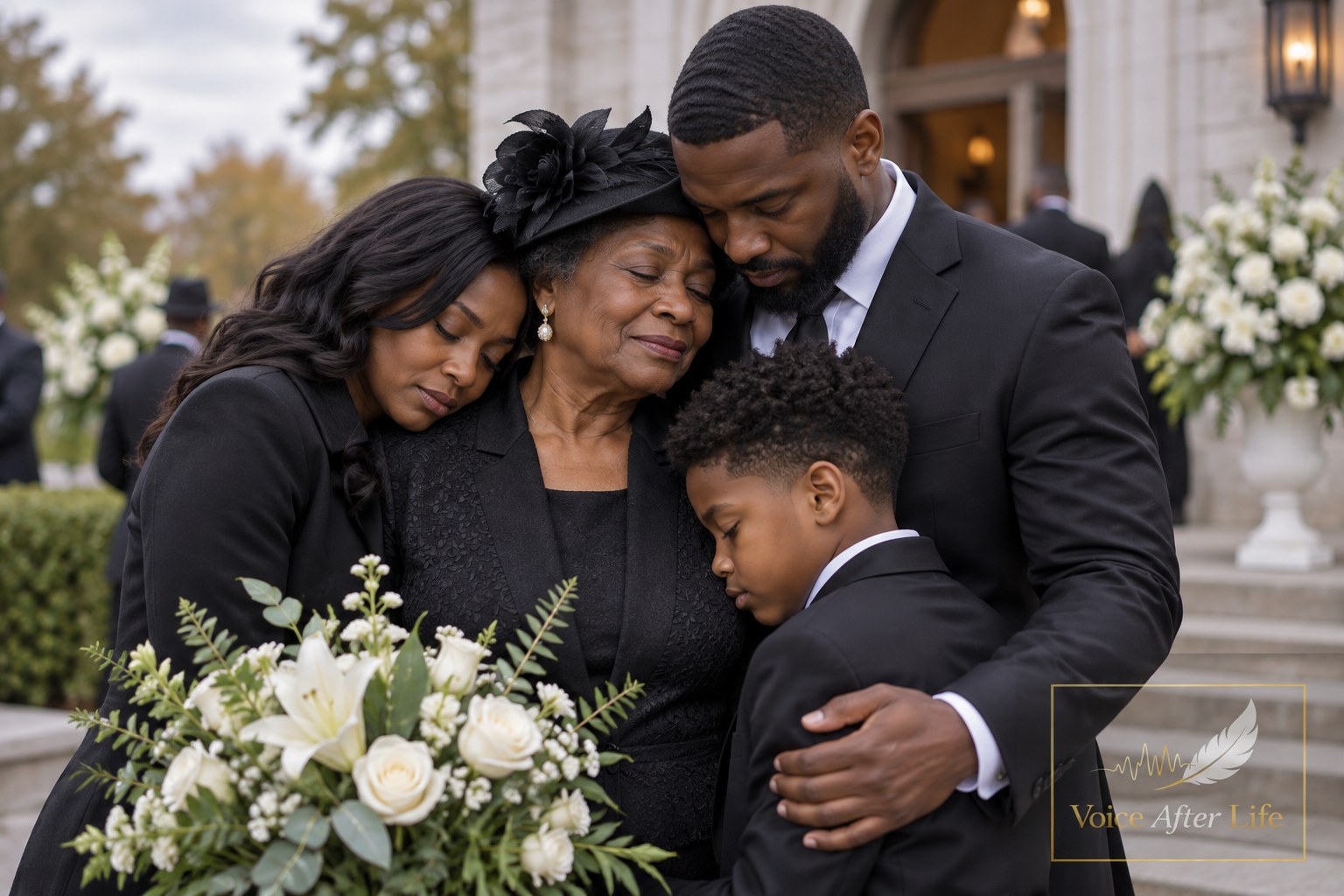
Linda is in her early sixties, recently retired, and has started noticing something: she's the one in her family who keeps track of everything. Insurance renewal dates, her mother's old recipe cards, the name of the church her grandparents were married in. Lately she's been wondering what would happen to all of that knowledge — and to her own wishes — if she weren't the one holding it anymore. That question is what leads so many people to funeral pre-planning, and it's also why families are increasingly turning to resources like Voice After Life.com to capture not just logistics, but the voice and stories behind them.
Planning ahead isn't about dwelling on mortality. It's a practical act of care — one that spares the people we love from having to guess, argue, or scramble during one of the hardest weeks of their lives. This checklist walks through the major areas worth thinking about now, while there's time to be thoughtful rather than rushed.
Start with the Legal and Financial Basics
Before getting into service preferences, it helps to gather the paperwork that families will need almost immediately. This typically includes personal identification, financial records, and legal documents. According to one funeral pre-planning guide, important records to organize include organ donation paperwork, funeral plans, identification documents, Social Security cards, marriage licenses, wills, and statements for bank, retirement, investment, credit and loan accounts . It's also worth noting where passwords and PIN codes to all accounts are stored, since digital access has become its own category of estate planning.
Advance directives deserve their own line item. A checklist focused on end-of-life decisions recommends addressing a living will, POLST, power of attorney (healthcare proxy), durable power of attorney, and DNR/DNI order , along with decisions about organ donation. These documents don't just guide medical care — they relieve family members of having to make high-stakes decisions without knowing what you wanted.
Know Your Rights Before You Shop
Whether planning is happening in advance or during an active loss, it helps to understand the protections already in place. Under the Federal Trade Commission's Funeral Rule, the Funeral Rule makes it possible for you to choose only those goods and services you want or need and to pay only for those you select, whether you are making arrangements when a death occurs or in advance . Funeral homes are required to provide pricing clearly: the funeral home must give you a General Price List that is yours to keep, listing all the items and services the home offers and the cost of each one . The rule also protects against unwanted bundling — you have the right to buy separate goods, such as caskets, and services, such as embalming or a memorial service, and you do not have to accept a package that may include items you do not want .
Understanding typical costs can also help a family budget realistically. Industry data compiled by the National Funeral Directors Association put the median cost for a funeral with a viewing and burial at more than $8,000 in 2023 , while the median cost of a funeral with viewing and cremation is $6,280 — a meaningful difference that many families factor into their decisions.
Decide What the Service Should Include
This is often the part people picture first, but it's easiest to plan once the legal and financial groundwork is set. Consider working through:
- Type of disposition — burial, cremation, green burial, or donation
- Service style — religious, secular, a visitation, or a celebration of life
- Location and officiant — a house of worship, funeral home, or another meaningful place
- Personal touches — music, readings, photos, or displayed mementos
- Clothing and small preferences, if there will be a viewing
As one funeral planning resource notes, thinking through what elements should be included in the service, what family traditions matter, what religious rites are desired, and what kind of permanent memorial will best honor a loved one's personality and life views gives everyone involved a clearer starting point.
Don't Forget the Obituary and the Guest List
It's easy to underestimate how much information an obituary requires until someone is trying to write one under pressure. Advance planning can include the name of the publication that should run the obituary, along with the names of family members who should be listed and their places of residence . It's also worth noting career highlights, schools attended, and organizations you were part of, so the people writing on your behalf have the full picture.
Similarly, families often don't consider all the people who need to be notified when a loved one dies . A simple list of names and contact information — friends, former colleagues, members of a congregation — can prevent someone important from being missed during a chaotic week.
Capture the Voice Behind the Paperwork
Checklists and documents answer the practical questions, but they rarely capture how someone actually sounded — their laugh, their turns of phrase, the way they told a particular story. Many families find that setting aside time to record a voice, a message, or a favorite memory becomes just as valuable as the legal paperwork itself. That's part of why some people choose to preserve a recorded message or story for their family alongside their written plans, so that future generations have more than dates and documents to hold onto.
Keep Everything Together and Review It Periodically
Once the checklist is filled in, its usefulness depends on whether people can actually find it. Store documents in one labeled place, tell at least one trusted family member or executor where it is, and revisit the plan every few years or after a major life change — a move, a new grandchild, a change in health. Plans don't need to be perfect; they need to be findable and current enough to be useful.
A Gift, Not a Burden
Thinking through these details in advance doesn't make loss any less painful, but it does remove a layer of uncertainty at a moment when families have little bandwidth for guesswork. A checklist filled out calmly, on an ordinary afternoon, can spare someone you love from having to make dozens of decisions through tears. That, more than anything, is what makes advance planning an act of compassion rather than a chore.
- Voice After Life.com
Sources
- Funeral Planning Checklist for Families — Homesteaders Life
- Checklist: Planning for someone who has died — Farewelling
- End of Life Planning Checklist — Farewelling
- Funeral Arrangements Checklist — Dignity Memorial
- The FTC Funeral Rule — Federal Trade Commission
- How Much Does the Average Funeral Cost? — SmartAsset