A Practical Checklist for Planning Ahead with Compassion
A gentle, step-by-step guide to organizing legal documents, funeral wishes, and personal messages so your loved ones face fewer decisions during grief.
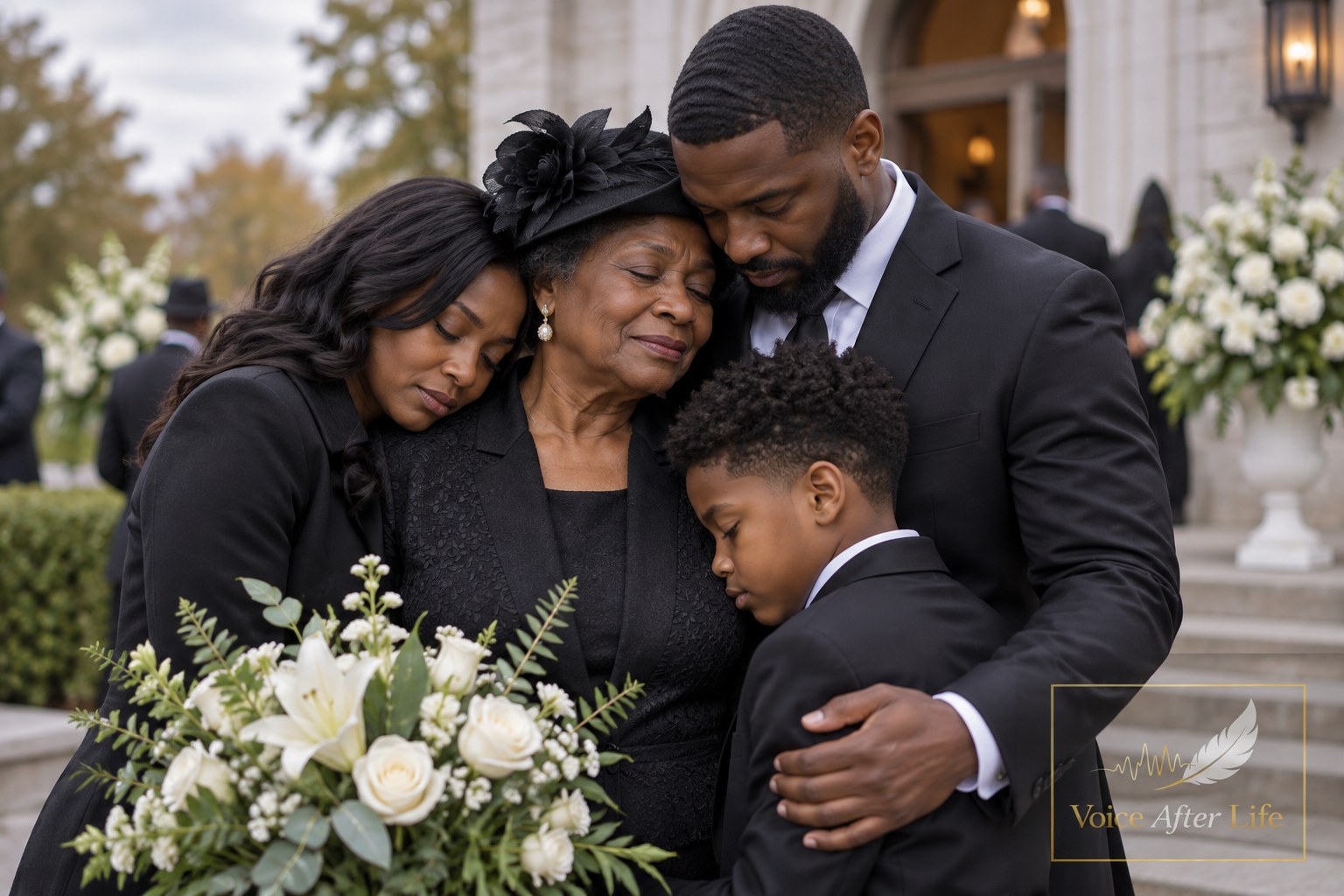
Planning ahead for the end of life is rarely about paperwork alone. It is an act of care — a way of telling the people you love, "I thought about you, even in this." Yet the practical side matters too, because families who must make decisions without guidance often face confusion, expense, and conflict at the worst possible moment. This checklist walks through the documents, decisions, and conversations that make advance planning meaningful, and along the way, remembering the stories and voice behind the paperwork can be just as important — which is why more families are turning to Voice After Life.com to preserve a loved one's own words alongside their wishes.
Many people put off this kind of planning because it feels overwhelming or emotionally heavy. But breaking it into smaller categories — legal, financial, medical, funeral, and personal — can make the process far more approachable, one step at a time.
Start With the Legal Foundations
At the core of any advance plan are a handful of legal documents. According to one end-of-life planning resource, an end-of-life planning checklist often includes legal documents, healthcare directives, financial account information, insurance policies, personal identification records, funeral or memorial preferences, and digital account instructions. These typically include a will, a durable power of attorney, and an advance healthcare directive.
The National Institute on Aging notes that the most common advance directives include a living will and a durable power of attorney for health care. Importantly, you don't need a lawyer to get started: you do not have to involve a lawyer in creating your advance directives for health care, and most states provide the forms for free, allowing you to complete them yourself.
Still, for documents with legal weight — wills, trusts, powers of attorney — professional guidance is wise. As one funeral-industry checklist puts it, for legal, financial, or healthcare documents, it is always wise to speak with the appropriate professional to make sure your plans meet your needs and follow state requirements.
Advance Directives Go Beyond Medicine
An advance directive isn't only about resuscitation and life support. Some versions allow surprisingly personal touches. One resource explains that certain directives let a person specify the type of music that is played at their funeral, and information about personal care such as religious concerns or ensuring that lips and mouth are kept moistened. Because state rules differ, it's worth checking your own state's requirements, since rules and regulations on advance care directives vary to a certain degree from state to state, so it helps to research your state's laws ahead of time to ensure your wishes are documented in a legally valid way.
Organize Financial and Personal Records
Beyond the big three legal documents, a thorough checklist typically covers financial and personal details. One planning guide groups these into clear categories: personal and legal documentation such as birth certificates, social security cards, and passports; financial and property planning including life insurance, mortgages, titles, and investments; and digital and personal arrangements like login credentials and pet care decisions.
It's also worth reviewing who is named where. A checklist from one funeral resource site recommends that families review and update beneficiary designations on all retirement accounts, life insurance policies, and bank accounts.
Put Funeral Wishes in Writing — Separately From the Will
One detail families often overlook: a will is not always the best place for funeral instructions. As one resource explains, funeral wishes are often recorded in a separate letter of instruction or preplanning documents because wills may not be read until after arrangements begin. That means the people responsible for arrangements may never see wishes buried inside a will until it's too late to follow them.
When documenting funeral preferences, families generally need to decide on the type of disposition, the nature of the service, and a rough budget. A step-by-step guide breaks this down into a few key questions: whether to choose burial or cremation, since this is the single biggest cost driver, with direct cremation typically the least expensive option; and whether to have a viewing, since a viewing usually requires embalming, a casket, and facility rental, adding significant cost.
Understanding What Funerals Actually Cost
Cost is often the elephant in the room, and having real numbers can make conversations easier. According to industry data, the median cost of an adult funeral with viewing and burial was around $8,300, according to the most recent statistics compiled by the industry trade group the National Funeral Directors Association (NFDA). Cremation tends to run somewhat lower: the median cost of a funeral with cremation is less, approximately $6,280, according to the latest NFDA report.
Preferences are shifting, too. NFDA projections cited by one source indicate that more people (61.9 percent) are likely to opt for cremation rather than burial in 2024 — a trend expected to continue for decades. Costs also vary significantly by region and can run higher in certain areas of the country. Additional expenses, like cemetery plots, can add meaningfully to the total; one industry breakdown notes that cemetery plots average around $2,750, though plot costs vary wildly depending on region, with some plots in Alaska costing as little as $775 while plots in California might run over $7,000.
Planning ahead of time, rather than under pressure, tends to pay off financially as well as emotionally. Research summarized by one funeral-planning resource found that families who pre-plan spend 20%–40% less on funeral services than families making decisions in crisis, which on a median funeral cost of approximately $8,300 represents $1,660 to $3,320 in potential savings.
Know Your Consumer Rights
Families making funeral arrangements — whether in advance or at the time of need — have specific protections under federal law. The Federal Trade Commission's Funeral Rule requires that the Funeral Rule, enforced by the Federal Trade Commission (FTC), makes it possible for you to choose only those goods and services you want or need and to pay only for those you select, whether you are making arrangements when a death occurs or in advance.
In practice, this means funeral homes must provide detailed pricing upfront. The FTC explains that the funeral home must give you a General Price List (GPL) that is yours to keep, listing all the items and services the home offers, and the cost of each one. Knowing this right in advance can make it much easier to ask direct questions and compare providers without feeling rushed or pressured.
Don't Forget the Personal Layer
Legal and financial planning protects your family logistically, but it's the personal touches — a favorite recipe, a story about how you met your spouse, the sound of your voice reading a bedtime story — that families often say they miss most. A letter of instruction, a memory box, or a recorded message can sit alongside your formal documents so loved ones have both the practical guidance and the personal connection they'll want later. Many families now choose to record and safely preserve these voices and stories in advance, which is one reason a growing number of people are exploring options to preserve a personal voice message for future generations as part of their overall planning.
Share the Plan — Not Just Make It
A plan that exists only in a drawer or a password-protected file does little good if no one knows it's there. As one funeral resource bluntly puts it, your plans are only useful if your family knows about them. At minimum, it's worth making sure a trusted person knows where your legal documents are stored, the name and contact information of your attorney, financial advisor, and insurance agent, your funeral and burial preferences, and how to access your financial accounts and digital assets.
If the whole checklist feels like too much at once, that's normal. As one resource encourages, pick one thing from this list and do it this week — you do not need to do everything at once. Start with a will or an advance directive. Have one conversation.
A Gift, Not Just a Task
Planning ahead is sometimes framed as morbid or overly clinical, but it is, at its heart, an act of generosity. One funeral resource captures this well: planning ahead is one of the most generous things you can do for the people you love, meaning your family will never have to make difficult financial, medical, or funeral decisions under pressure without knowing what you wanted.
Take this checklist one step at a time — a document here, a conversation there, a recorded memory when you're ready. Each piece, however small, is a way of easing the path for the people who will carry your memory forward.
- Voice After Life.com
Sources
- End-of-Life Planning Checklist: Documents Your Family Will Need — Locke Funeral Services
- Developing Your Advance Care Directive — Funeral Basics
- Getting Your Affairs in Order Checklist — National Institute on Aging
- Funeral Planning Checklist — Legacy of Love
- End of Life Planning Checklist — Memoria Sky
- End of Life Planning Checklist: Everything to Do Before It Is Too Late — Funeral Home Directories
- Funeral Planning Checklist — Printable Step-by-Step Guide — Funeral Cost Analyzer
- Choosing an Advance Directive to Assist with Funeral Planning — DFS Memorials
- The costs of funerals and the rights of consumers planning a funeral — MassMutual
- How Much Does A Funeral Cost? (2026 Breakdown By State) — Choice Mutual
- What the 2025 NFDA Consumer Study Reveals About Funeral Planning — Legacy of Love
- The FTC Funeral Rule — Federal Trade Commission