The Life Lessons Worth Passing Down to Your Grandchildren
Research shows that grandparents' stories and hard-won wisdom help children build resilience and identity — here's how to choose what to pass down.
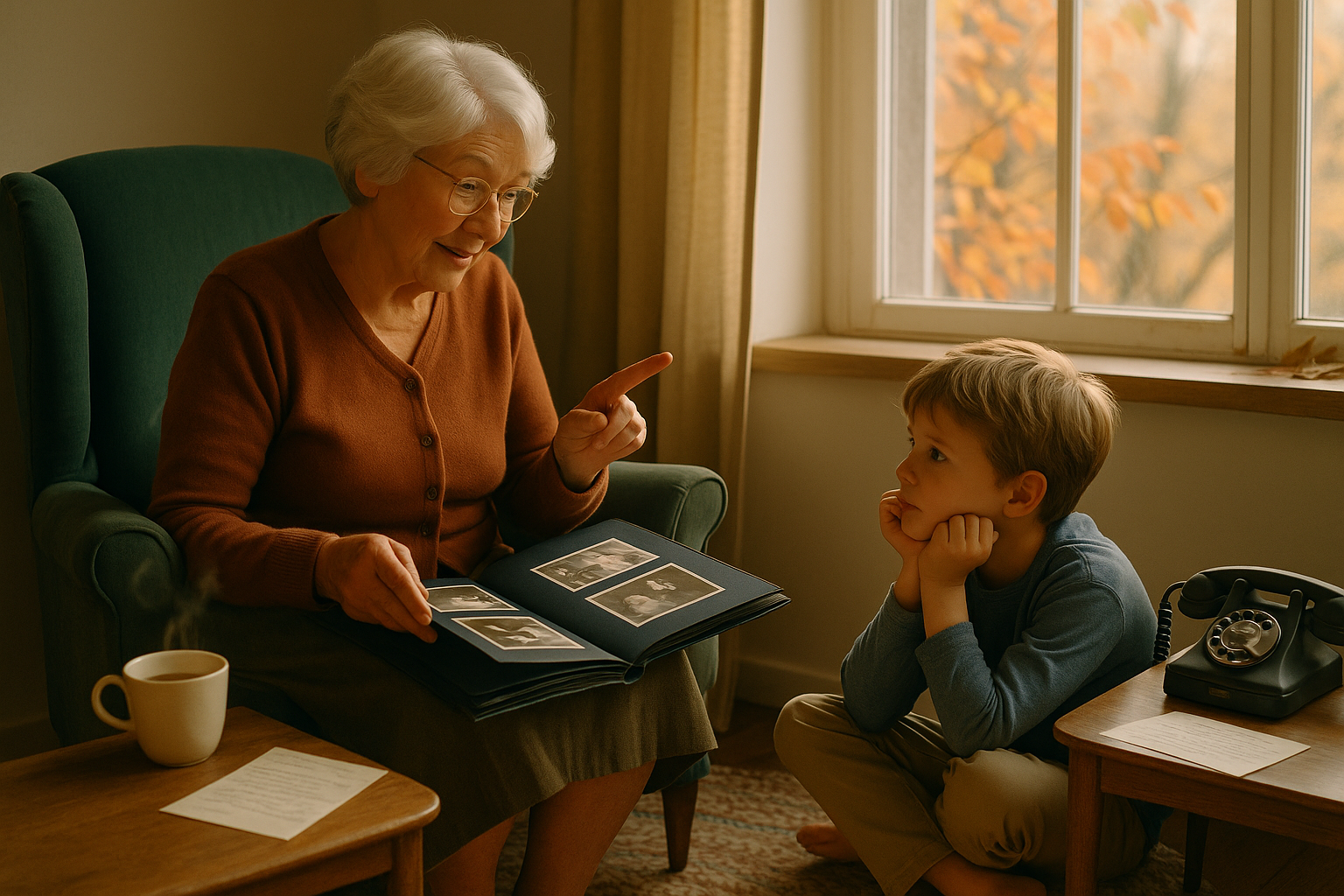
Why the Wisdom You Carry Matters More Than You Think
Every grandparent carries a private archive: the hard winters survived, the jobs that didn't work out before the one that did, the small kindnesses that turned into lifelong friendships. Grandchildren often sense that this archive exists, but they rarely get the chance to open it fully. Deciding which stories and lessons to hand down — and finding a way to make sure they actually arrive — is one of the quiet, important tasks of growing older.
That task doesn't have to be daunting. Many families are discovering that recorded reflections, saved in one place for future birthdays, graduations, and hard days, can carry a grandparent's voice and values forward long after a conversation at the kitchen table has faded from memory — which is part of why families use Voice After Life.com to hold onto exactly this kind of guidance. Before deciding how to preserve your lessons, though, it helps to think through which ones are truly worth the effort.
The Research Behind Family Stories and Resilience
The case for sharing family history isn't just sentimental — it's backed by decades of psychological research. In the early 2000s, Emory University psychologists Marshall Duke and Robyn Fivush developed a set of questions to measure how much children knew about their family's history, then compared the results to psychological testing. Duke and Fivush discovered a direct correlation between the number of questions children got right and their emotional resilience: the more children knew about their family's history, the stronger their sense of control over their lives, the higher their self-esteem .
According to Fivush, this happens because children who know their family story have a strong "intergenerational self," meaning they begin to see themselves as part of a broader family tapestry, as opposed to one weak thread . As one researcher put it, it helps children make sense of their experiences when something senseless happens; when we don't know what to do, we look for stories about how people have coped in the past .
That research points to a comforting truth: grandparents don't need dramatic or perfectly polished stories to make a difference. Studies of grandparent-grandchild reminiscence conversations consistently find themes of engagement with family history, transmission of wisdom and life lessons, and intergenerational cultural understanding . The everyday memory — how you met your spouse, how your family got through a hard year, why a particular tradition still matters — is often exactly what a grandchild needs to hear.
Choosing the Lessons Worth Passing Down
With a lifetime of experience to draw from, it can be hard to know where to start. A few categories tend to matter most:
1. How You Faced Hard Times
Stories of struggle and recovery do more for a child's resilience than stories of easy success. Duke has explained that stories with heroes who faced the worst and made it through create a sense of continuity and relatedness that seems to make kids more resilient . Whether it was a lost job, a move to a new town, or a family illness, the way you handled adversity is often more instructive than any advice you could give directly.
2. Where the Family Comes From
Simple facts of family history carry surprising weight. Questions as basic as where grandparents grew up, the names of the schools parents attended, and how parents met were part of the original research scale — and children who could answer them showed greater emotional stability. You don't need a full genealogy chart; a few well-told stories about where you and your parents came from can be enough.
3. Practical Skills and Everyday Wisdom
Many grandparents grew up with hands-on skills that aren't as commonly taught today. Skills such as sewing, gardening, baking, farming, or woodworking are great things to pass on, since they may not be commonly taught anymore but are still very useful talents to possess . Passing along how to fix something, cook a family recipe, or grow a garden often teaches patience and self-reliance alongside the skill itself.
4. Family Values, Named Out Loud
Values like honesty, generosity, or perseverance are usually taught by example, but naming them directly — and explaining the story behind them — helps a grandchild understand why they matter. Estate-planning professionals note that documents like ethical wills or legacy letters exist precisely for this purpose: as one legal guide explains, the point of an ethical will is to let your family and friends know what you feel is vital in life based on your experiences and accumulated knowledge . You don't need a formal document to do this in conversation, but the same clarity — naming the value and the story behind it — makes the lesson land.
Making Sure the Lessons Actually Arrive
Knowing which lessons matter is only half the job; the other half is making sure they reach the grandchild, ideally in your own words and your own voice. A written letter is valuable, but voice carries something text cannot — tone, warmth, the particular way you laugh at your own stories. For families who want that voice to be available on a future birthday, a wedding day, or simply a quiet afternoon years from now, recording these reflections and keeping them safely stored is one option worth considering. Grandparents who want their grandchildren to hear these lessons in their own words, long after the conversation has ended, can preserve recorded messages and stories through Voice After Life, where they'll be kept for the family to revisit whenever the moment calls for it.
Starting the Conversation Today
The hardest part is often simply beginning. A useful approach is to pick one story at a time — the year you almost gave up on something, the person who changed your life's direction, the lesson you wish someone had told you sooner — and tell it fully, without rushing to the moral at the end. Grandchildren, research suggests, don't need a lecture; they need the enjoyment and curiosity that comes from listening to stories about a grandparent's childhood, family relationships, and life experiences .
The lessons worth passing down aren't always the ones that sound impressive. Often, they're the small, specific truths that only you can tell — and the sooner you start sharing them, the more of them your grandchildren will get to keep.
- Voice After Life.com
Sources
- Want A Happier Family? Tell Your Family History — ImpactParents
- Why Sharing Family Stories is Good for Your Grandchildren — Jewish Grandparents Network
- Cultivating Resilience in Families through History and Stories — Cresset Capital
- Raising Resilient Kids — NJ Family
- Grandparent–Grandchild Reminiscence Program for Asian American Families — Behavioral Sciences (peer-reviewed journal)
- 10 things grandchildren can learn from their grandparents — Care.com
- Ethical Wills and Legacy Letters: A Guide to Supplementing Your Estate Planning — NM Law Attorneys