Gentle Ways to Honor a Loved One and Keep Their Memory Alive
Simple, research-backed rituals — from lighting a candle to preserving a voice — that help families honor a loved one and carry their memory forward.
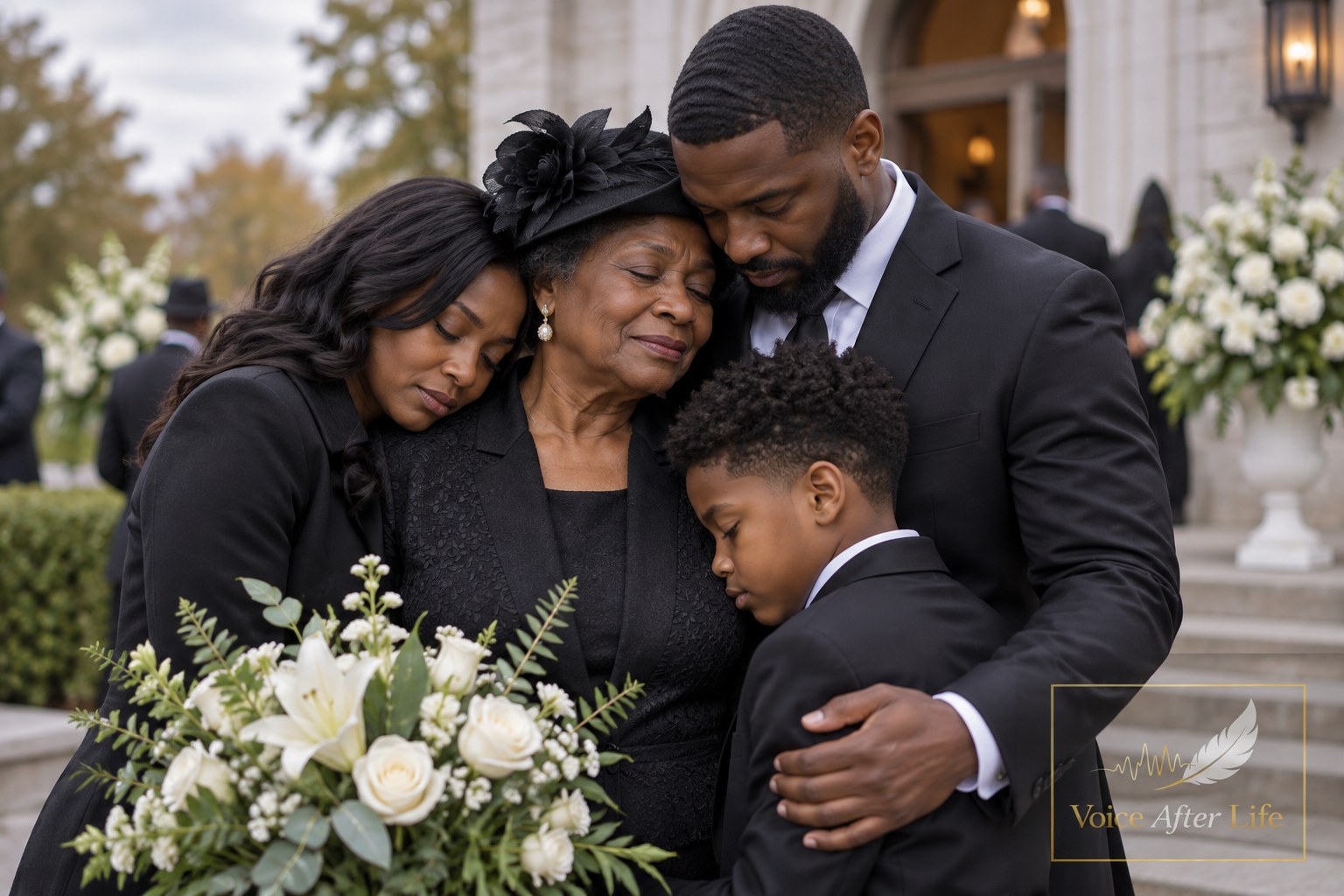
Linda is 62 and lost her husband, Richard, this past spring after thirty-eight years of marriage. Some mornings she still reaches for two coffee mugs before catching herself. What has helped, she says, isn't forgetting him but finding small, steady ways to keep him close — his chair still angled toward the window, his laugh still playing in her mind when she hears an old song on the radio.
If you're navigating a loss like Linda's, you may be wondering whether it's healthy to keep reaching for reminders of the person you loved, or whether you're supposed to be "moving on." Grief researchers have largely put that old idea to rest. For families thinking through how to preserve a parent's stories, a spouse's laugh, or a grandparent's advice, Voice After Life.com offers one way to keep those sounds and words within reach for years to come. But rituals of remembrance don't require any special tools at all — they simply require intention.
Why Rituals Matter in Grief
For much of the twentieth century, the dominant model of grief assumed that healing meant severing emotional ties to the person who died. In the 1990s, researchers Dennis Klass, Phyllis Silverman, and Steven Nickman challenged that assumption directly. They developed a prototype of grief that includes continuing interactions with the dead, while remaining open to both the positive and negative consequences of this activity. Their work, known as continuing bonds theory, reframed something many bereaved people already sensed: that a relationship doesn't have to end when a life does.
Continuing bonds can include sensing the presence of the dead, maintaining connections through physical objects, and consciously integrating the deceased's characteristics into personal or group identity.
While the intensity of these bonds may subside, they often persist in some form throughout a survivor's life.
Modern grief research backs this up. Research on grief suggests that meaningful rituals can help people regain a sense of control after a loss and feel more connected to the person who died and to others grieving alongside them, and rituals also support what grief scholars call continuing bonds, the healthy ongoing connection we keep with those we have lost. The rituals themselves don't need to be elaborate. There is no single correct ritual, and it does not need to be religious or formal — some people find comfort in the traditions of their faith or family.
Everyday Ways to Honor Their Memory
Grief counselors and bereavement organizations point to a range of small, repeatable actions that families find comforting. None of them require a special occasion.
Sensory Rituals
Simple sensory acts can be surprisingly powerful. Sensory rituals, such as lighting a candle, wearing a loved one's scent, or playing a song that reminds you of them , can bring someone vividly to mind in a matter of seconds. One reason candle-lighting in particular resonates: the act of lighting and extinguishing a flame has a beginning and an end, which helps the nervous system move through an emotional moment rather than staying stuck in it.
Food is another powerful sense-memory. Food carries memory in a way few things can match — pulling out a handwritten recipe card, gathering the same ingredients, and re-creating a dish they made connects you to them through all five senses, and the smell alone can feel like presence. For Linda, that's meant keeping Richard's chili recipe in rotation every October, exactly as he made it.
Nature and Gathering Rituals
Some families find comfort outdoors. Nature-based rituals, like planting a tree, tending a garden, or visiting a place that held meaning for you both , give grief a physical, growing place to live. Others prefer to gather people together — hosting a favorite meal, watching a beloved movie, or making a small donation in a loved one's name to a cause they cared about.
Memory Boxes and Keepsakes
For adults and children alike, building a memory box can offer structure to grief. Anyone dealing with grief and the grieving process can benefit from a memory box, and children and adults will find comfort in the process of choosing what goes into the box and then creating a lasting memorial for their loved one. There's no formula to follow. A keepsake box often creates a safe place for memories, stories, emotions, and small reminders, and photographs, letters, jewellery, and personal items can help shift attention toward shared memories, stories, and moments of connection.
Preserving Their Voice and Stories
One reminder that many families say they wish they'd captured sooner is the simplest one: the sound of a loved one's voice. A recent report on families recording elders' histories captured this regret directly, quoting an aging expert who said, "if I'd had the presence of mind to do that and listen to her history" — noting that even with written records and photographs, she missed the sound of her mother's voice after she died, despite having written records and pictures, because somehow the voice was missing.
Voice carries something photographs and letters cannot. As one journalist recording a family history put it, capturing someone's speech preserves more than words — it's the way they talk, their tone of voice, the way they phrase things, and it's really nice to have the sound of their voice. If you're thinking about how to hold onto a parent's storytelling, a spouse's turn of phrase, or the specific way someone said "I love you," preserving a recording of their voice and stories is one way to make sure that particular thread of memory doesn't fade the way unrecorded sound often does.
When Grief Feels Heavier Than Expected
It's common to assume the first year after a loss is the hardest, but many bereaved people find the second year brings its own weight, often because outside support has quietly faded. Though many people assume the first year of grief is the hardest, the second year of grief has its own challenges. This is one reason small, ongoing rituals matter — they don't depend on other people remembering to check in.
That said, grief sometimes becomes more than gentle rituals can hold on their own. Studies have found that between 10 and 15 percent of bereaved people experience complicated grief, a prolonged form that interferes significantly with daily functioning, and if your grief feels this severe, speaking with a counselor is a wise step. There is no shame in seeking that kind of support, whether through a grief counselor, a support group, or your primary care provider — and no timeline by which you're expected to feel differently.
There Is No Right Way, Only Your Way
Perhaps the most freeing insight from grief research is that there's no single correct approach. Rituals of remembrance are not required to be religious — they can follow your faith or family traditions, or be entirely personal and secular — and what matters is that the ritual feels true to you and to the person you are honoring.
For Linda, that has meant a mix of things: Richard's chair by the window, his chili every fall, and a recording of his voice she plays sometimes just to hear him laugh again. For another family, it might be a candle, a garden, or a shared meal on a birthday. The details differ. The underlying task — carrying love forward in a form that fits your life — is the same for everyone who has ever lost someone they cherished.
- Voice After Life.com
Sources
- Continuing bonds — Wikipedia
- Grief Rituals & Ceremonies: Ideas for Mourning — Psychology.com
- Creating Meaningful Rituals to Honor Loss — South Hills Counseling & Wellness
- Finding Comfort: Remembrance Rituals After Loss — Tribute
- Is The Second Year of Grief Harder? — What's Your Grief
- Preserving history: Importance of recording older loved ones' family stories — WDBJ7 / Aging Untold
- How to Record Your Family's History — TIME
- Memory Box Keepsake Ideas for Bereavement — Ashes with Art