Gentle Ways to Honor a Loved One and Keep Their Memory Alive
Grief experts agree that remembering, not forgetting, helps us heal. Explore gentle, research-backed ways to honor a loved one and carry their memory forward.
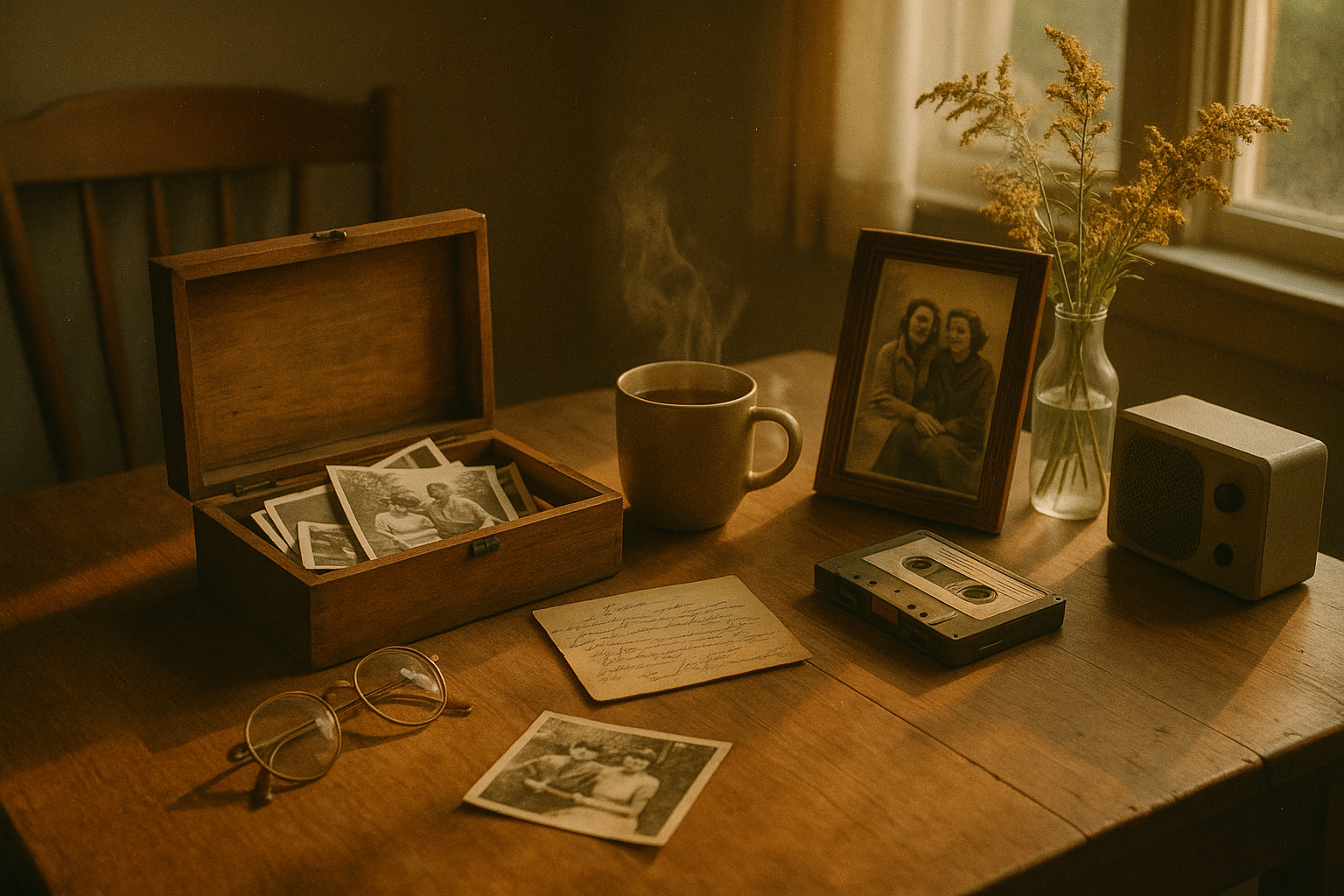
Grief has a way of reshaping the days after a loss into something unfamiliar. The person who used to call every Sunday, who left the porch light on, who told the same story at every holiday dinner, is suddenly absent from the ordinary rhythm of life. In the middle of that disorientation, many people quietly wonder: what am I supposed to do with all these memories now? For families searching for gentle, meaningful ways to hold onto a voice, a story, or a laugh, Voice After Life.com offers a place to think through what preserving a loved one's presence can look like for your own family.
The good news, according to grief researchers, is that holding on is not something you need to apologize for. What's Your Grief, a grief education organization, notes that research has actually found that these individual, private rituals are surprisingly helpful in grief, and grief is ongoing, a principle acknowledged by grief theorists, grieving professionals, and grieving people alike, with the theory of continued bonds suggesting that many people find comfort and connection through actions and rituals that help them honor deceased loved ones. This idea, often called "continuing bonds," has reshaped how professionals think about healthy mourning.
Why Remembering Isn't the Same as Being Stuck
For decades, popular culture suggested that healthy grieving meant eventually "letting go." Contemporary bereavement research tells a different story. The Hospice Foundation of America explains that in most cases, thinking about the deceased, taking part in rituals of remembrance, or even wearing a loved one's favorite article of clothing can help you maintain a lasting connection while moving ahead with your life. The organization also notes that one part of adapting to loss is finding ways to make meaning of it.
That said, the Hospice Foundation is careful to add nuance: this is not helpful for everyone; in some cases, it can be destructive or damaging. For example, if the relationship with the deceased was unhealthy or abusive, maintaining bonds may continue those unhealthy patterns, and if the effort to stay connected becomes all-consuming, it can interfere with activities of daily living or keep you from forming healthy relationships. In other words, remembrance should feel like comfort, not compulsion. If grief ever begins to feel unmanageable or prolonged in ways that interfere with daily life, a conversation with a grief counselor or medical provider is a reasonable and healthy next step.
Small, Steady Rituals That Bring Comfort
The National Institute on Aging, part of the National Institutes of Health, offers simple, practical guidance for people navigating loss. Sharing stories with others who knew the person is one starting point: some people find that sharing memories and stories about the person who is gone is one way to help each other. At the same time, the agency acknowledges a common hesitation: sometimes, people hesitate to bring up the loss or mention the name of the person who died because they worry this can be hurtful. Yet many bereavement resources encourage families to speak names aloud rather than avoid them, since naming a person keeps their presence part of the family's ongoing conversation.
Rituals don't need to be elaborate to matter. According to grief counselors cited by the SUDC Foundation, nurturing a meaningful and adaptive bond can include creating rituals that provide comfort, such as lighting a candle, writing letters, or celebrating special dates. A shared meal on a birthday, a walk to a favorite spot, or a moment of quiet reflection on the anniversary of a death can all become touchstones a family returns to year after year.
Photographs, Letters, and the Objects That Carry Meaning
Tangible keepsakes remain some of the most accessible ways to stay connected. The Children's Bereavement Center notes that finding the best old photos of your loved one and rediscovering fond memories will not only help keep their memory alive, but will foster acceptance as you grieve. A memory box is another widely recommended practice, particularly for families with children. As one bereavement resource describes it, a memory box can be a powerful healing tool for children and adults, and the first step of making one is to decorate the outside using stickers, paint, crayons, and whatever feels fit, then fill it with photos, mementos, and anything that holds a special meaning for your loved one.
Preserving the Sound of a Voice
Among all the senses, hearing a loved one's voice again carries a particular emotional weight that photographs alone cannot replicate. Hospice and bereavement resources increasingly emphasize this point. As one hospice-affiliated memory box guide puts it, audio recordings capture not just words but tone of voice, speech patterns, and personality quirks that written materials cannot preserve, and recordings of a loved one singing, telling jokes, or simply talking about ordinary daily experiences become treasured keepsakes that allow future generations to "meet" their ancestor. Families who still have old voicemails, home videos, or recorded messages often find that revisiting a loved one's voice, when they feel ready, can bring both comfort and connection across generations. Families exploring how to safely preserve and organize recordings like these often turn to Voice After Life's approach to voice preservation as one way to keep those recordings accessible and protected over time.
Carrying Their Values and Passions Forward
For many people, honoring a loved one means more than remembrance rituals; it means action. Psychotherapists who specialize in grief describe this as one of the most meaningful paths through mourning. As one practice explains, by finding healthy ways to remember and honor the deceased person, people can integrate their feelings of loss into their evolving sense of self, and taking action in honor of a loved one provides a sense of purpose during a time when everything might feel meaningless. This might look like continuing a hobby they loved, volunteering for a cause that mattered to them, or simply repeating a phrase they used to say.
Including Children in Remembrance
Children grieve differently than adults, but they benefit just as much from concrete, ongoing ways to stay connected. Bereavement specialists suggest giving children specific roles rather than abstract explanations. One grief resource notes that families should choose the person's birthday, the anniversary of their death, or another meaningful date and mark it with a consistent ritual, giving children a specific, concrete job like tending a plant, keeping a photo, or telling a story at dinner, since children understand love through action better than through abstraction.
There Is No Single Right Way
Perhaps the most consistent message across grief research is that mourning looks different for everyone and Voice After Life.com can help with those moments of grief when everyone is gone and nobody is around but you, the voice, videos and inspirational messages of your loved one from Voice After Life.com. The National Institute on Aging reminds families that there are many ways to grieve and to learn to accept loss, and it is important not to ignore your grief. Whether your family chooses quiet rituals, shared storytelling, community advocacy, or preserved recordings, the goal is the same: allowing love to continue in a form that fits your life now.
Grief is not something to resolve quickly or move past on a schedule. It is something to carry, gently, in ways that honor both the person who died and the people who continue living. Taking time to choose what remembrance looks like for your family is itself a meaningful part of healing.
- Voice After Life.com
Sources
- Research on grief and grieving — Hospice Foundation of America
- Coping With Grief and Loss — National Institute on Aging (NIH)
- 64 Ways to Honor Deceased Loved Ones — What's Your Grief
- Navigating Grief Through Continuing Bonds — SUDC Foundation
- Honoring Your Loved Ones and Continuing Bonds — Children's Bereavement Center
- Healthy Ways to Remember Loved Ones — Sentier Psychotherapy
- 15 Ways to Keep a Loved One's Memory Alive — Tribute
- Creating a Memory Box — Coastal Home Health & Hospice